
Climate Crisis Deepens Global Inequality, Warns WIL Report
- From Xhulia Likaj
- Reading duration 2 min
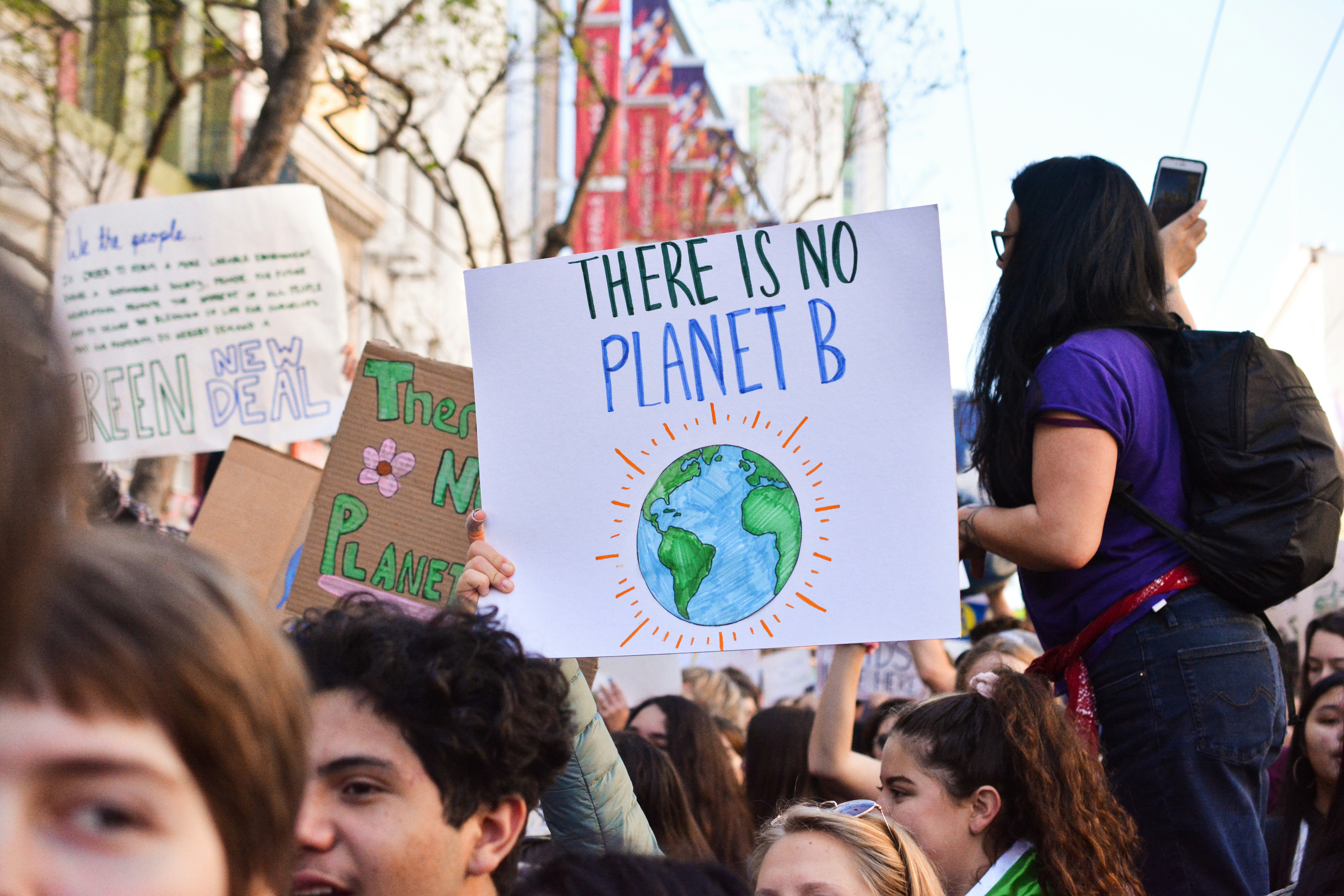
(c) Li-An Lim
A new report from the World Inequality Lab has issued a stark warning: climate change is not only a planetary emergency but also a powerful engine of economic inequality. The Climate Inequality Report 2025, reveals that the wealthiest individuals are driving the climate crisis through their ownership of high-emission assets - and stand to profit from the transition unless urgent policy action is taken.
According to the report, the top 1 per cent of the global population is responsible for 41 per cent of emissions linked to capital ownership, such as fossil fuel investments and polluting industries. This far exceeds their share of consumption-based emissions, which stands at 15 per cent. Meanwhile, the bottom 50 per cent of the world’s population contributes just 16 per cent of consumption emissions and owns a mere 3 per cent of global wealth.
The inequality doesn’t stop at emissions. The report projects that by 2050, the poorest half of the global population will suffer 74 per cent of income losses due to climate impacts, while the richest 10 per cent will lose just 3 per cent. If current trends continue, the top 1 per cent could see their share of global wealth rise from 38.4 per cent today to 46 per cent, largely by owning low-carbon infrastructure and technologies.
The authors argue that climate policy must go beyond regulating consumption and tackle the ownership structures that underpin the global economy. They propose three bold measures:
A global ban on new fossil fuel investments, with countries acting unilaterally to restrict foreign capital flows into polluting projects.
A tax on the carbon content of assets, targeting investors rather than consumers.
Massive public investment in low-carbon infrastructure, to ensure the transition is equitable and not dominated by private interests.
The report also calls for greater financial transparency and reform of international treaties that allow corporations to sue governments over climate regulations.
In essence, the Climate Inequality Report 2025 reframes the climate crisis as a capital crisis—one that demands redistributive policies and a rethinking of who owns the future. Without such action, the transition to a low carbon economy risks reinforcing the very inequalities it seeks to solve.